
Waiting Can Make a Big Difference for Wildlife
Spring is arriving, and many of us feel the irresistible urge to head outside and start tidying up the garden. After a long winter, the impulse to rake leaves, cut back stems, and clear beds is completely understandable. But for wildlife gardeners, patience is one of the most powerful conservation tools we have.
Delaying spring cleanup until early May can make a tremendous difference for the native bees, butterflies, moths, beetles, and other beneficial insects that spent the winter sheltering in our gardens. Most of them are still there.
Hidden in leaf litter.
Tucked inside hollow stems.
Camouflaged in dried seed heads and plant debris.
And they are very easy to accidentally throw away.
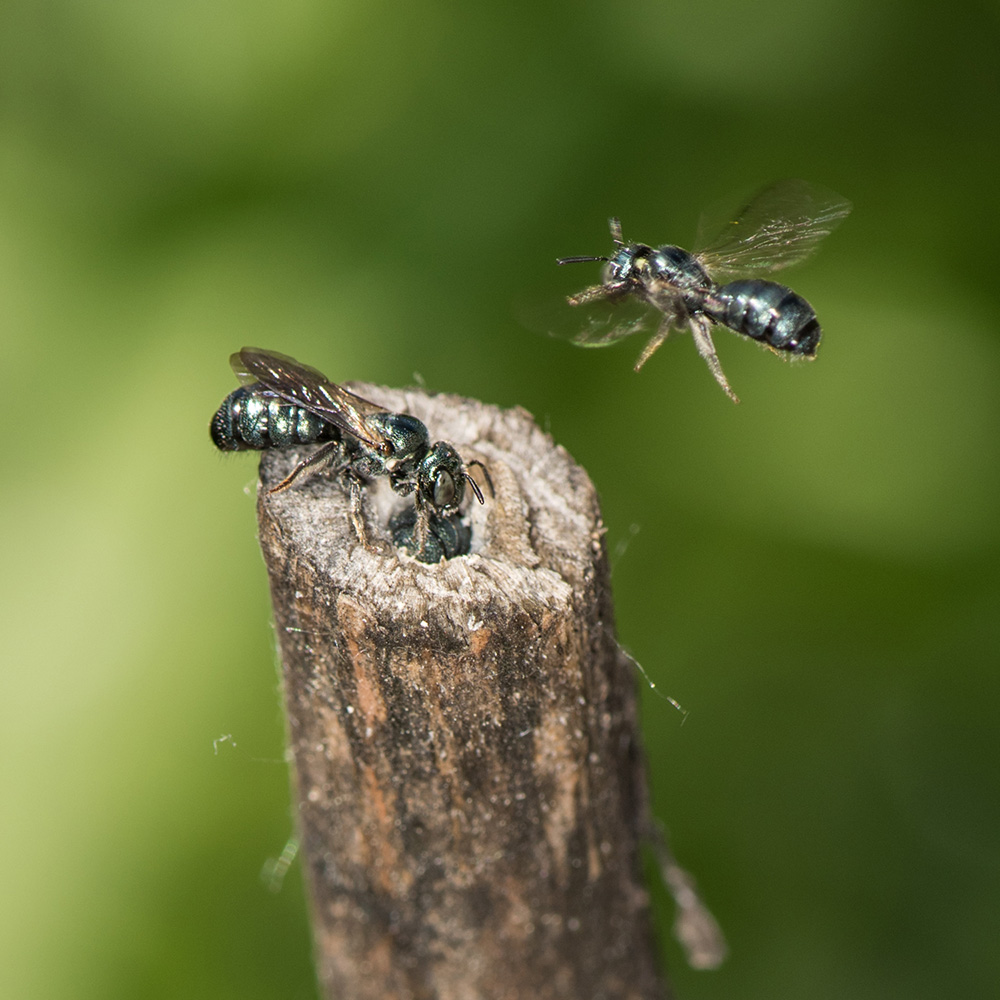
Many insects spend the winter in dead plant material. What looks like last year’s garden debris is critical wildlife habitat. Solitary native bees such as mason bees and leafcutter bees often overwinter inside hollow plant stems. Others spend the winter as larvae or pupae within dried stalks. Butterflies and moths may overwinter in leaf litter or attached to stems. When we cut back plants or rake leaves too early in spring, we risk removing the next generation of pollinators before they have a chance to emerge.
Xerces Society has this very helpful diagram that you can download here on How to Create Habitat for Stem Nesting Bees.
https://xerces.org/publications/brochures/save-the-stems
Solitary stem-nesting bees build nests and lay their eggs in a stem that is dead and has a hollow end. Then, that stem needs to stay standing all year to protect the overwintering larvae.
The Xerces brochures are extremely helpful resources and packed with useful information. One especially helpful PDF Nesting & Overwintering Habitat for Pollinators and Other Beneficial Insects explains why we should be cautious about cutting down last year’s standing stems too early. They could have baby bees in them, still waiting to come out. Instead, cut the flower-heads off last year’s flowers, which will create fresh pith for them to excavate once they emerge.
A wildlife-friendly spring cleanup doesn’t mean abandoning your garden. It simply means taking a slower, more thoughtful approach. If you must cut back old stems, leave at least 12 inches standing.
Even though we may get a few warm days in March or April, sometimes even reaching the 70s the nights can still drop below 50°F.Many insects won’t emerge until temperatures are consistently warmer.Cleaning up too soon can expose them to cold snaps they are not prepared to survive.Waiting just a little longer gives them the time they need to safely emerge and begin their important work in the ecosystem.
Spring gardening is exciting, and we all want to get back outside and start tidying up. But taking a gentler, slower approach to cleanup is one of the easiest ways to support biodiversity. By postponing spring garden cleanup, you are doing more than protecting insects.
You are protecting the birds that depend on them for food.
You are supporting pollination for plants and crops.
You are helping restore balance to the local ecosystem.
Sometimes conservation is not about doing more. Sometimes it’s about simply waiting. In a garden, that small delay can make a very big difference.
 Welcome to Wildflower City